
Permits Today, Peace of Mind Tomorrow: Waterproofing Done Right
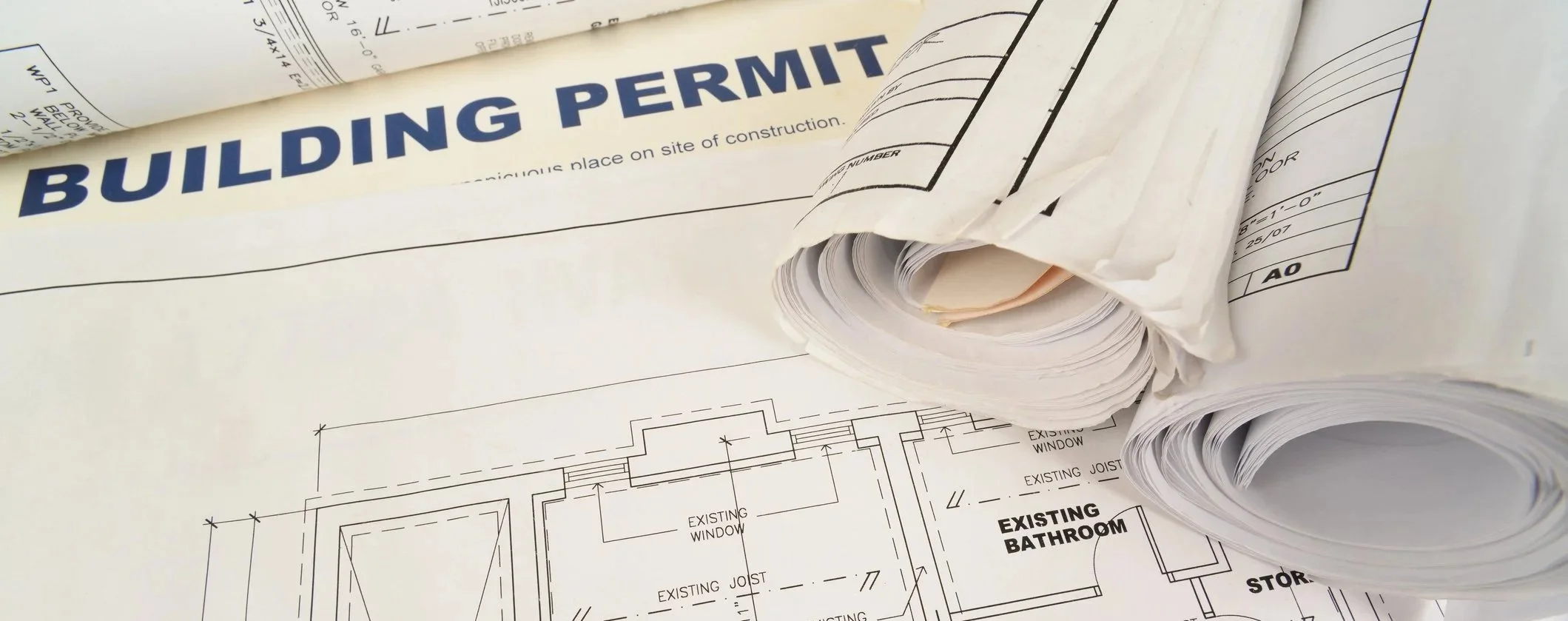
Waterproofing your basement or crawl space is one of the smartest moves you can make for your home’s long-term health. A dry foundation protects structural stability, air quality, energy efficiency, and even resale value. But before any sump pumps, liners, or dehumidifiers go in, there’s one crucial step many homeowners skip: getting a permit!
Permits confirm the work is safe, code-compliant, and properly documented for future buyers. They also matter now more than ever as North Carolina’s regulations are expected to tighten significantly.
When Is a Permit Required?
Generally, you’ll need a permit for work involving:
Electrical (sump pumps, dehumidifiers, outlets)
Mechanical (fresh-air requirements for combustion appliances)
Closing or encapsulating a crawl space
Any plumbing or structural changes
Technically, these permits have always been required for closed crawl spaces. Unfortunately, plenty of contractors just pretend not to notice and ignore them.
Expected Code Changes in 2026
Historically, homeowners could seal crawl space vents and install a floor-only liner as a DIY project without a permit. Based on the information available, that’s expected to end in 2026 when the new North Carolina code book is released (anticipated fall 2026).
Applying for a Permit
Homeowners can pull a permit for an encapsulation, but mechanical, electrical, and plumbing work must be completed by licensed professionals. The process moves much faster if you already have an account and a licensed general contractor on board.
While each county is a little different, the basic steps are:
Submit application and documents
Have plans reviewed
Pay the required fees
Schedule inspections
Receive final approval
There are currently no special permitting requirements for older or historic homes. However, bringing those homes up to modern code can be more challenging due to original construction methods. To our knowledge, permitting does not affect homeowners’ insurance.
Why Permits Matter
Skipping a permit can lead to poor workmanship, code violations, and headaches during a future real estate transaction. Buyers (and inspectors) will absolutely ask whether the work was permitted.
A bigger issue: the current code is far more rigorous than the encapsulation standards that most crawl space companies have followed in the past. Permit inspections now call for steps many companies have never included, such as:
Sealing the band to the foundation with fire-rated foam (not just where daylight shows).
Sealing all penetrations through the subfloor with fire-rated foam.
Using Class A fire-rated wall insulation. Plastic-covered batt insulation is no longer allowed.
Maintaining a strict 3 to 4-inch termite inspection gap.
In some counties, insulating the band sill.
How Wolfe Construction Helps
Wolfe Construction does not work on unpermitted projects. However, if a homeowner has unpermitted work, we can guide them through obtaining the necessary permits and completing required inspections so the project can move forward properly.
As always, we are here when you need us and are happy to help get your crawl space or basement done safely, legally, and correctly.