
Basement Leaks Explained: From Causes to Prevention
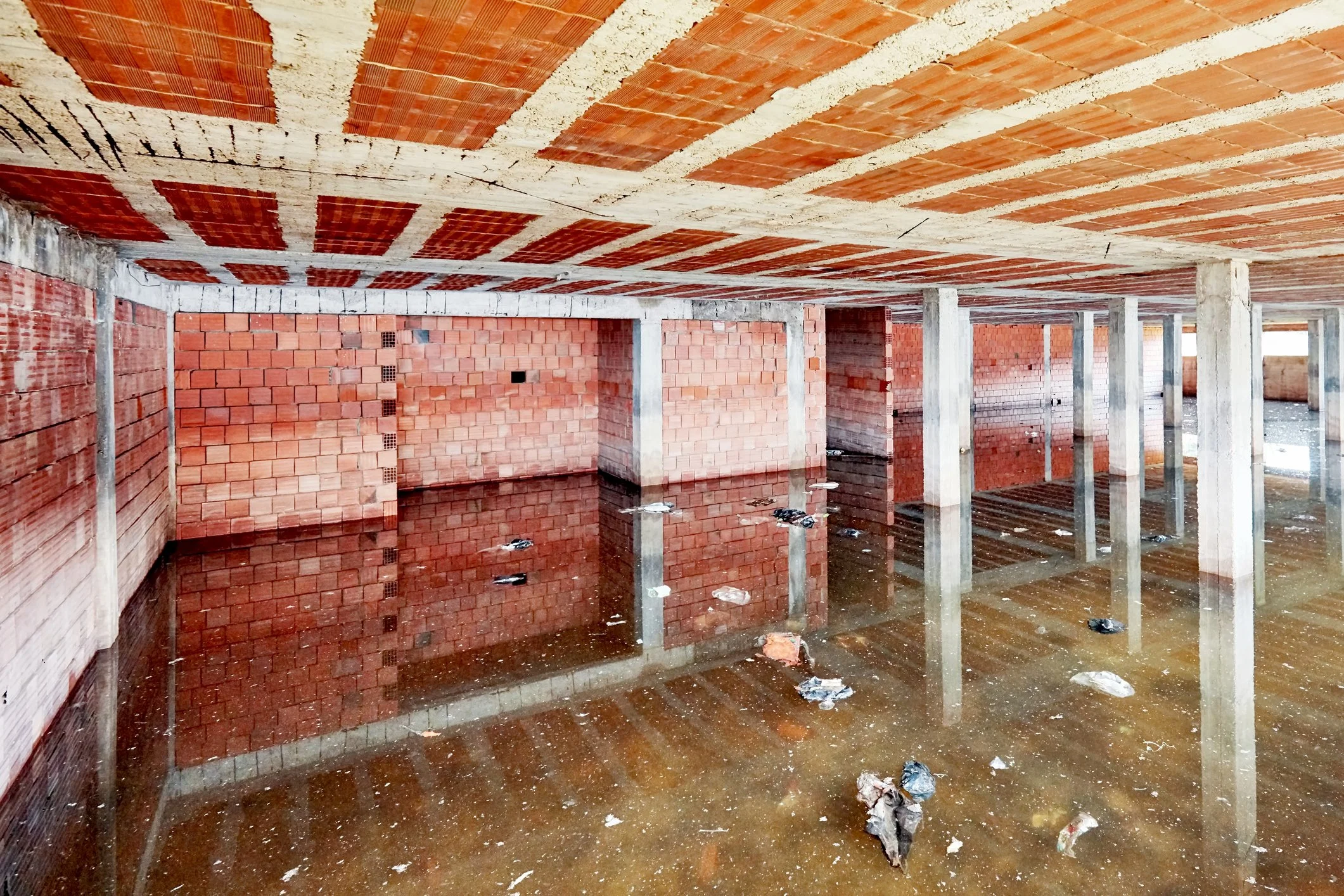
Basement leaks are, unfortunately, an all-too-common issue for homeowners. Making matters worse, what can start as a small problem can quickly escalate into costly repairs if immediate action is not taken. Whether you’re dealing with minor moisture or obvious leaks in basement walls, early detection and proper repair are critical to protecting your home’s foundation and value.
Signs of Leaks in the Basement
Homeowners should watch for early warning signs that indicate leaks in basement walls, including:
Water stains or damp spots on walls or floors
Mold or mildew growth
Musty odors
Cracks in walls or floors
Peeling paint or wallpaper
Puddles of water after heavy rain
These symptoms often indicate ongoing moisture intrusion, which should not be ignored.
Common Causes of Basement Leaks
Several factors that can contribute to basement leaks, such as:
Heavy rainfall overwhelming the soil around the foundation
Soil settlement creating gaps or cracks
Poor drainage from clogged or improperly routed gutters
Cracked or deteriorating foundation walls
Improper grading that allows water to flow toward the home
Sump pump failure or lack of a backup system
How to Identify a Basement Leak
Here are some simple steps homeowners can take to identify problems early:
Inspect basement walls and floors for stains or dampness
Pay attention to persistent musty smells
Monitor the basement during and after heavy rain
Use a moisture meter to detect hidden water in walls or floors
Why Prompt Repairs Matter
Ignoring leaks in basement walls can lead to serious consequences, such as:
Structural damage to the foundation
Mold-related health risks
Higher repair costs over time
Reduced property value
Not taking immediate action could be costly. Addressing leaks early is always smarter and far more cost-effective than waiting.
Monitoring and Maintenance Tips
To help keep basements dry:
Perform regular visual inspections
Watch for unexplained increases in water bills
Install moisture or humidity monitoring systems
Ensure gutters and downspouts direct water away from the foundation
Maintain sump pumps and consider alarms or battery backups
DIY vs. Professional Basement Leak Repair
Minor issues, such as sealing small cracks, can sometimes be handled by homeowners. However, larger problems — like recurring water intrusion, failing foundation walls, or drainage system installation — require professional expertise. Proper diagnosis is key to long-term results.
Common Basement Leak Solutions
Typical professional repair options include:
Foundation crack repair with epoxy or sealants
Basement waterproofing with membranes or liners
Interior French drain system installation
Sump pump installation or replacement
A Real-World Example
We were once called to help a homeowner who had attempted DIY fixes for ongoing water intrusion, but did not fully address the problem. Over time, the foundation wall weakened and eventually failed, collapsing into the basement. Early professional intervention could have saved the wall and avoided the tremendous expense of a full foundation rebuild.
A word to the wise: Basement leaks don’t fix themselves. Identifying the cause and addressing it quickly and properly will protect your home for years to come. As always, we are here to help.